How Tariffs Are Impacting Technical Recruiting
May 13, 2025
Recent shifts in global trade policy—particularly new and expanded tariffs—are creating ripple effects across multiple industries. While much attention has been focused on manufacturing and supply chains, the implications for technical recruiting and contract staffing are becoming increasingly evident.
A Shifting Hiring Landscape
As tariffs increase the costs of goods and materials, many companies are responding by trimming budgets and slowing down hiring. In Michigan, we’ve seen a clear reduction in open technical roles, particularly in engineering, R&D, and production support.
A recent USA Today report confirms these trends: industries most exposed to international trade—including automotive, machinery, and electronics—have begun pausing recruitment plans as uncertainty rises. In addition, according to Dr. John Sullivan, trade tensions are now a leading force in corporate cost-cutting and workforce restructuring.
Employers are reassessing how and when they bring on talent, resulting in key trends like:
- A shift toward contract-based and project work to remain nimble
- Increased scrutiny on the ROI of each hire
- A preference for cross-functional roles that enable leaner teams
For Job Seekers
This is an ideal time to take a proactive approach. Employers are increasingly focused on versatility, value, and long-term potential, and they're more likely to engage with candidates who demonstrate those traits—even before a position is officially posted.
Here are a few ways to stand out in today’s market:
- Highlight results: Use concrete data—how did your work drive efficiency, cost savings, or solve problems?
- Upskill: Short-term certifications, technical training, or refreshing industry tools can keep your profile competitive and relevant.
- Embrace flexibility: Contract or project work can open doors and keep your momentum going.
- Stay engaged: Keep your resume updated, connect with your network, and monitor hiring trends in your field.
For Employers
For employers, this is a critical time to approach hiring with intentionality. A slower pace doesn’t mean stopping—it means planning more strategically. By identifying long-term skill needs now and building future pipelines, companies can better position themselves for recovery.
Ways to stay ahead:
- Audit skills gaps: Focus on roles that will be essential 6–12 months from now.
- Engage passive candidates: Don’t wait for roles to open before engaging with talent.
- Prioritize flexibility: Consider whether contract, project-based, or fractional support could help maintain progress without overcommitting in uncertain times.
- Stay connected: Maintaining transparency with employees and candidates builds trust and sets the tone for future growth.
Slower hiring doesn’t mean standing still. It means hiring with purpose. And by remaining agile, informed, and people-focused, employers can lay the groundwork for smarter, more sustainable workforce growth ahead.
Our Proactive Measures
At NDX Staffing, we’re navigating this uncertainty with agility—and staying grounded in the values that guide us: Integrity, Vision, Gratitude, Collaboration, Grit, Execution, and Humility.
Here’s how that translates into action:
- Flexible Staffing Solutions: With grit and execution, we design adaptable staffing models that help our partners respond quickly to change.
- Enhanced Talent Pipelines: Through vision and humility, we grow and diversify our networks to meet evolving needs across technical roles.
- Strategic Partnerships: Driven by collaboration and gratitude, we work closely with clients to co-create workforce strategies that are thoughtful and future-proof.
Whether you're an employer planning for the months ahead or a job seeker looking to navigate the current landscape, the key is to stay informed, flexible, and focused on long-term goals.
Looking Ahead
Tariffs and trade policy will continue to shape the economic landscape. But even amid uncertainty, there is opportunity—for growth, for innovation, and for building stronger, more agile teams. Whether you're a job seeker preparing for your next move or an employer planning for what's ahead, the steps taken now – matter.
Sources:
For more information on how NDX can support you during these times, please reach out at connect@ndxstaffing.com.
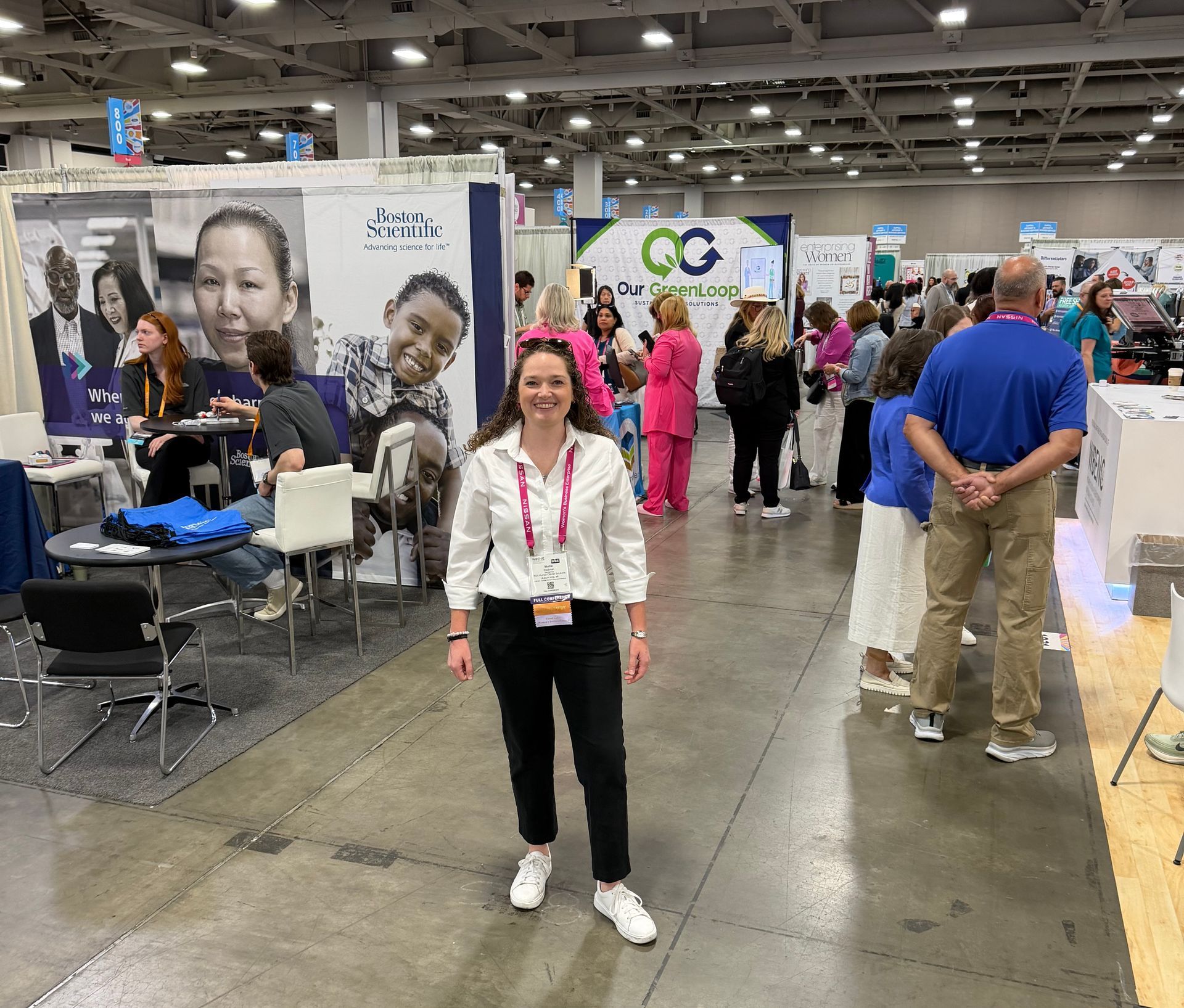
The conversations may have ended in Salt Lake City, but the impact of the 2026 WBENC National Conference continues to reinforce NDX’s commitment to building more accessible and equitable workplaces. As a Women’s Business Enterprise (WBE), we believe creating opportunity and removing barriers isn’t just part of the conversation. It’s central to how we approach our business, partnerships, and the clients and candidates we serve. Our Account Manager, Mollie Blackman, attended this year's conference to strengthen relationships, learn from industry leaders and discuss new ideas that help our clients navigate an evolving workforce. For Mollie, the conference was an opportunity to step outside the day-to-day and gain new perspectives from fellow WBENC-certified companies. NDX is moving forward with insight on building relationships and creating accessible opportunities. Throughout the week, there were roundtable discussions, networking sessions and industry conversations. These were centered on market trends, workforce challenges, strategic investment and building stronger partnerships. While every conversation was unique, one message remained consistent: organizations that embrace adaptability, collaboration and continuous learning will be best positioned for long-term success. One of the conference's most memorable moments came from championship coach and keynote speaker Dawn Staley who spoke about leadership, resilience, discipline and building teams that consistently perform at a high level. Staley shared a powerful recipe on what it takes to build a winning culture: resilience, discipline, purpose and a commitment to bringing out the best in others. This message serves as a reminder that strong teams aren’t built on individual success alone, but a shared commitment to a common goal. For NDX, having a WBENC certification isn’t simply an opportunity to tell our story. It’s an opportunity to listen. We returned with valuable market intelligence, new business relationships, and fresh perspectives that will help us better serve our clients in the industries we serve. Every connection reinforced the importance of staying ahead of industry shifts while remaining committed to the people-first approach that defines NDX. Our WBENC certification continues to open doors to meaningful conversations with organizations that value innovation, supplier diversity, and trusted partnerships. Those relationships don't end when the conference closes. They are the foundation for future collaboration and growth. As we look ahead, we're excited to continue turning these insights into action. Whether we're helping clients solve workforce challenges or creating new opportunities through strategic partnerships, the lessons from WBENC 2026 will continue to influence how we move forward. Every connection is an opportunity, and every conversation is a chance to build something lasting.

Let’s be honest – most companies don’t panic when one employee leaves. But when that one resignation suddenly turns into missed deadlines, overloaded teams, and managers spending more time interviewing than supporting their teams? That’s when the real cost of turnover shows up. One thing has become increasingly clear to us at NDX: turnover is rarely just a staffing issue. Too often, companies focus on the immediate cost of hiring while overlooking the long-term impact of losing employees to burnout, limited growth opportunities, or feeling undervalued. Investing in quality talent may seem expensive upfront, but constant turnover usually costs far more. And the impact goes far beyond finances alone. The Hidden Impact of Turnover When an employee leaves, the ripple effects are immediate. Projects slow down. Responsibilities shift. Teams stretch thin. Managers spend valuable time interviewing and onboarding instead of focusing on growth. Meanwhile, existing employees are often left absorbing additional workloads while organizations search for a replacement – sometimes for weeks or even months. Specialized roles aren’t easy to replace. Every vacancy impacts productivity, timelines, and morale. And when experienced employees leave, companies lose far more than headcount. According to Built In , replacing an employee can cost anywhere from one-half to two times their annual salary depending on the role. Technical and leadership positions often carry even higher replacement costs due to training time and lost productivity. Some of the most damaging effects of turnover aren’t measurable on a spreadsheet. Burnout Creates More Turnover When positions remain unfilled, workloads shift to employees already balancing demanding responsibilities. Over time, that pressure can lead to disengagement and burnout. Companies can unintentionally fall into a cycle where one departure creates heavier workloads, heavier workloads lead to burnout, and burnout eventually leads to even more turnover. Before long, teams are spending more time backfilling roles than building momentum. Employees want stability. They want to feel supported, valued, and invested in. When companies prioritize retention and growth opportunities, they’re far more likely to build stable teams to stay engaged for the long haul. Why Investing in Quality Talent Matters NDX believes hiring should never be approached as simply “filling a seat” by using a people-first approach . We advocate for our candidates and align opportunities with their long-term career goals because stronger placements lead to stronger teams. Organizations that retain strong employees focus on the bigger picture. They invest in competitive compensation, career growth, strong leadership, and a culture where employees feel valued and supported. Investing in quality talent from the start matters. Retention isn’t accidental. It’s built through culture, leadership, and investment in people. The Value of Promoting from Within One of the most effective retention strategies to prioritize is internal growth. Promoting from within reinforces trust across an organization. It shows employees that hard work is recognized and that growth opportunities are attainable. Internal promotions preserve institutional knowledge and reduce ramp-up time. Existing employees are well-versed in company processes, culture, and expectations. This often creates a smoother transition and potential for long-term success. When employees can see a future within an organization, they’re far more likely to stay invested in its growth. Retention Starts with Investing in People Turnover may be unavoidable to some degree, but constant turnover shouldn’t be considered the norm. People stay where they feel supported, valued, and able to grow. When companies prioritize retention, the impact extends far beyond hiring costs. It strengthens culture, protects productivity, and builds teams positioned for long-term success. In the long run, investing in people is rarely the expensive option. Constant turnover usually is. Sources Built In – The True Costs of Employee Turnover PR Newswire – How Employee Turnover Is Costing Companies Big in 2025

This is no surprise to anyone, but today’s competitive job market can be overwhelming to say the least. Interviews are now more than a conversation. This is the primary opportunity to tell your story, demonstrate your value and create a memorable connection. NDX believes: IT’s Always about People... That means we strive to help every candidate, regardless of background or circumstance. Whether you’re entering the workforce, making a career move, or navigating unique challenges, these interview tips and trade secrets will help you put your best foot forward. Preparation is your Competitive Edge Strong interviews don’t happen by accident. Candidates have the autonomy to build them through preparation and practice. Before your interview: Research the company mission, goals and recent updates Review the job description and highlight key skills Understand who you’re meeting with, if possible Preparation builds confidence. Confidence drives performance. Success comes down to two things: Preparation + Practice = Interview Success Master Your Story (Not Just Your Resume) One of the most common questions you’ll hear is: “Tell me about yourself.” Take this opportunity to make yourself stand-out amongst other applicants. Here’s a guideline to structure your response: Past: What experience shaped you Present: What you’re doing now Future: Why this role is the right next step Keep it clear. Keep it relevant. Keep it confident. Focus on Real Examples that Show Impact Employers want more than answers. They want proof. Use the STAR Method: Situation: Set the context Task: What needed to be done Action: What you did Result: What happened This approach keeps your answers structured and memorable. Ask Better Questions Interviews are a two-way conversation. Your questions to the interviewer can pave the way to your success. Strong candidates ask thoughtful questions like: What does success look like in this role? What challenges is the team currently facing? How do teams collaborate across departments? This shows curiosity, preparation, and long-term interest. Don’t Skip the Follow-Up (This is of Primary Importance) One of the most overlooked “trade secrets” is the thank-you note. It’s simple. It’s quick. And it makes a lasting impression. A strong follow-up should: Be constructed and sent ASAP Thank the interviewer for their time Reference something specific from the conversation Reinforce your interest in the role Highlight your key strengths This simple action can be the difference between being remembered by the hiring manager or overlooked. Navigating Interviews with Confidence No two interview experiences are the same. Candidates with disabilities, including members of the Deaf community, may face additional challenges in the hiring process. This includes communication barriers to accessibility gaps. NDX strives to put accessibility to all at the forefront during the hiring process. Here are some tips to navigate interviews with confidence: Advocate for what you need: Request accommodations such as interpreters, captioning or alternative formats Communicate clearly and early: Set expectations with employers so everyone is aligned Focus on your strengths: Your skills, experience and perspective are your value Inclusion starts with awareness. The right employer will meet you halfway. You Don’t Have to Navigate It Alone NDX is proud to support and partner with organizations that empower individuals across all communities. Among one NDX supports is DEAF C.A.N. in Michigan. This organization provides advocacy, resources, and support for the Deaf community. Additionally, Michigan Rehabilitation Services (MRS) offers career development support, job placement assistance and accommodations for individuals with disabilities. These resources can play a powerful role in helping candidates prepare, connect and succeed. There are many more resources available to advocate for yourself in the interview process and put your best foot forward. Final Thoughts: Show Up Prepared & As Yourself Interviews aren’t about being perfect. They’re about being prepared, authentic and intentional. Take the time to prepare and follow-up with purpose. Most importantly: Believe in the value you bring to the table. We’re Here For Your Next Step Connect with the NDX team to explore opportunities and get personalized support on your career journey. 👉 www.ndxstaffing.com